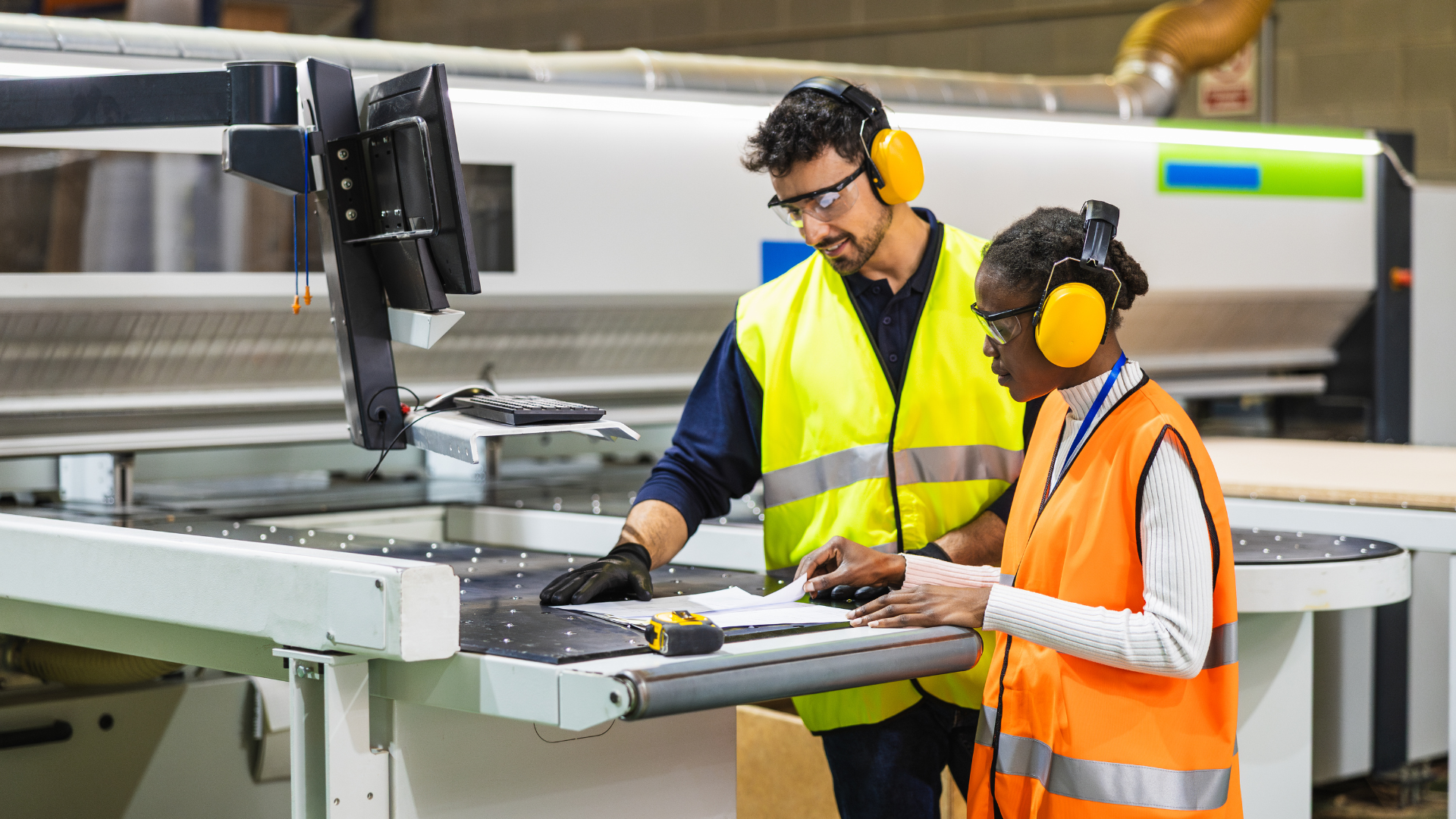
Metal fabrication workers reviewing job details on manufacturing equipment using ERP software for production planning

Manufacturing ERP Software for Metal Fabrication Companies: What to Look for in 2026

Metal fabrication companies operate in one of the most complex manufacturing environments. High-mix production, custom jobs, outside processing, and tight delivery timelines all require systems that can keep operations aligned in real time.

Many fabrication businesses reach a point where spreadsheets, disconnected tools, or legacy ERP systems can no longer support growth. At that stage, evaluating manufacturing ERP software for metal fabrication companies becomes less about adding features and more about gaining control over operations, costs, and production visibility.

This guide outlines what fabrication companies should look for in an ERP system and how modern platforms are helping teams improve performance across the shop floor and back office.

Improve Project Accounting with Automated Expense Management

This guide shows how automating expense capture, streamlining approvals, and integrating bank and credit card data can help improve financial visibility, reduce manual work, and support more accurate project accounting.
Why Metal Fabrication Companies Outgrow Their Current Systems

Most fabrication companies do not set out to replace their ERP system. The need becomes clear over time as operational complexity increases.

Common challenges include:

  • Job costs are only known after production is complete
  • Production schedules change, but systems do not reflect real conditions
  • Inventory appears available but cannot be used when needed
  • Outside processing is tracked manually or outside the system
  • Reporting depends on spreadsheets instead of real-time data

These are not isolated issues. They are signs that your system is not built for fabrication-specific workflows.

What Manufacturing ERP Software Should Do for a Fabrication Shop

Modern ERP software connects engineering, production, inventory, and financials into a single system. For fabrication companies, this connection is critical.

Real-Time Job Costing and WIP Visibility

Fabrication businesses rely on accurate job costing to protect margins.

A modern ERP system should provide:

  • Real-time tracking of material, labor, and overhead
  • Work-in-progress (WIP) visibility during production
  • Alignment between estimates and actual costs
  • Change order tracking tied directly to financial impact

Without real-time visibility, margin issues are often identified too late to correct.

Production Scheduling That Reflects Reality

Scheduling in fabrication environments must account for machine capacity, labor constraints, and outside processing.

ERP systems designed for fabrication enable:

  • Finite capacity scheduling by work center
  • Real-time production updates
  • Visibility into machine and labor availability
  • Coordination with external vendors such as coating or plating providers

This allows teams to move from reactive scheduling to controlled production planning.

Material and Inventory Control

Material availability directly impacts production timelines and profitability.

Effective ERP systems support:

  • Multi-location inventory tracking
  • Lot, heat, or serial traceability
  • Remnant and drop management
  • Material requirements planning (MRP) for purchasing

This ensures production begins with accurate, reliable data.

Quote-to-Job and Engineering Alignment

Fabrication companies often struggle with disconnects between estimating, engineering, and production.

A modern ERP platform should:

  • Convert quotes directly into production jobs
  • Maintain routing and bill of materials accuracy
  • Support engineering change orders (ECOs)
  • Align purchasing, scheduling, and costing with the original estimate

This helps ensure the job that is built matches the job that was quoted.

Outside Processing and Vendor Coordination

Many fabrication jobs involve external steps such as plating, coating, or heat treatment.

ERP systems should allow you to:

  • Track work sent to vendors as part of WIP
  • Capture costs associated with outside processing
  • Maintain visibility into job status across internal and external steps

This is essential for maintaining accurate job costing and delivery timelines.

What Changes with Manufacturing ERP Software

Operational AreaWithout ERP (Common in Fabrication Shops)With Manufacturing ERP Software
Job CostingCosts calculated after job completionReal-time job costing and margin visibility
Production SchedulingManual scheduling, constant changesFinite scheduling with real-time updates
Inventory ManagementInventory shows available but isn’t usableAccurate material availability and traceability
Outside ProcessingTracked manually or in spreadsheetsIntegrated vendor processing within job workflows
ReportingSpreadsheet-driven and delayedReal-time dashboards and financial reporting
Quote to ProductionDisconnect between estimate and jobSeamless quote-to-job alignment
Decision MakingReactive and delayedData-driven and proactive

Key Features to Look for in ERP for Metal Fabrication

When evaluating ERP for metal fabrication, focus on capabilities that directly impact operations:

  • Job costing and WIP reporting
  • Production scheduling by work center
  • Inventory traceability and material control
  • Estimating and quote-to-job conversion
  • Engineering change management
  • Outside processing visibility
  • Integrated financial reporting

The goal is not to find the system with the most features, but the one that aligns with how your fabrication shop actually operates.


Why Acumatica Is a Strong Fit for Metal Fabrication Companies

Acumatica is designed to support manufacturers that operate in high-mix, job-based environments, including metal fabrication.

For fabrication companies, this means:

  • Real-time visibility into job costs, production, and inventory
  • Integrated estimating, production, and financial workflows
  • Support for make-to-order, engineer-to-order, and project-based manufacturing
  • Cloud access across the shop floor, office, and remote teams
  • Flexible integration with engineering, CAD, and shop floor systems

By connecting data across departments, Acumatica allows teams to make decisions based on current information instead of delayed reports.

How Fabrication Companies Are Using ERP Today

Fabrication companies adopting modern ERP platforms are moving away from reactive operations toward controlled, data-driven decision-making.

As one fabrication leader shared:

“We can look up tracking and job information immediately and respond to customers on the spot.”

This shift enables:

  • Faster response times to customers
  • Improved production alignment
  • Better visibility into job performance
  • More confident operational decision-making

Evaluating ERP Without Disrupting Production

One of the biggest concerns when evaluating manufacturing ERP software is implementation risk.

Common questions include:

  • How long will implementation take?
  • Will production be disrupted?
  • What happens to existing data?

Modern implementation approaches focus on:

  • Data readiness and validation upfront
  • Defined scope and structured timelines
  • Controlled migration processes
  • Minimizing disruption to daily operations

This allows fabrication companies to move forward with clarity and confidence.

Choosing the Right Manufacturing ERP Software

The right ERP system for a fabrication company is one that aligns with operational workflows, not just feature lists.

When evaluating options, prioritize:

  • Real-time job costing visibility
  • Production scheduling accuracy
  • Inventory and material control
  • Ease of use across teams
  • Scalability as your business grows

These factors have a direct impact on efficiency, margins, and long-term performance.

See How ERP Supports Fabrication Operations

If your team is evaluating manufacturing ERP software for metal fabrication companies, the next step is to see how these capabilities work in practice.

→ See How Fabrication Companies Run on Acumatica
→ Watch a Fabrication ERP Demo
→ Explore the 90-Day Rapid Start

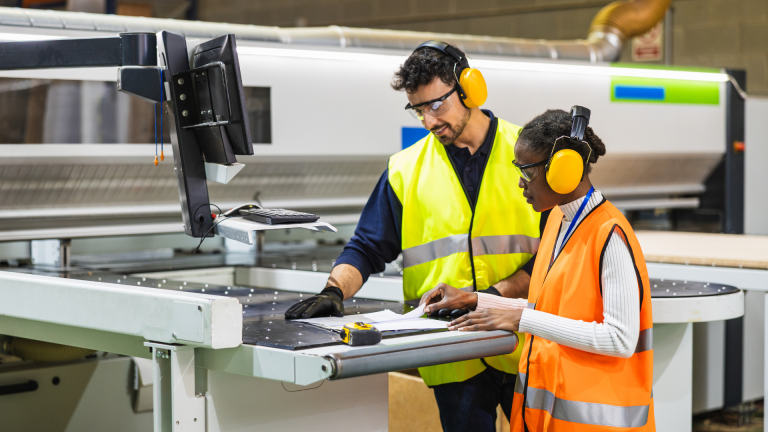
Metal fabrication workers reviewing job details on manufacturing equipment using ERP software for production planning

Experiencing billing delays or inconsistent project margins?

Start a conversation with Crestwood to evaluate how ERP-driven automation can improve financial visibility and billing precision.

Get Your Free ERP Assessment | Explore Our Services | Learn More About Crestwood

Connect With Us: X | LinkedIn | Contact Us 
More Resources: Acumatica ERP | Business Central | Blog Home 

© 2025 Crestwood Associates. All rights reserved. 

Author

  • Chloe

    Senior Marketing Manager & Partnerships Leader at Crestwood Associates | MBA Candidate, University of Miami | ERP, AI & Business Applications GTM Strategy

Share the Post:

Related Posts